As AI adoption accelerates across the energy and convenience retail sectors, leaders face a growing challenge: When should we lean on generative AI, and when is predictive AI the better fit?
In a recent MIT Sloan article, Rama Ramakrishnan offers a practical framework that helps answer this question—and it’s especially relevant to our industry where structured data, customer interactions, supply chains, and operations all intersect.
Here’s the quick breakdown:
• Predictive AI (like machine learning and deep learning) is ideal for tackling classic forecasting and risk problems.
Think:
• Fuel demand forecasting
• Inventory optimization across store networks
• Predicting equipment failure of forecourt dispensers, pumps, or meters
• Analyzing customer churn in loyalty programs
Generative AI shines when the task involves creating new content from unstructured data.
Examples include:
• Drafting personalized marketing messages for fuel rewards customers
• Summarizing customer feedback from surveys and social media
• Creating training materials for store teams
• Rapid content generation for digital signage and in-store promotions
The rule of thumb?
• If the output is structured and predictable, start with predictive AI.
• If it’s creative, language-based, or visual, generative AI is often more effective—and increasingly, more cost-efficient.
• And if your data is unstructured but your labels are simple (like tagging safety incident reports or customer reviews), GenAI may be the fastest path to insight.
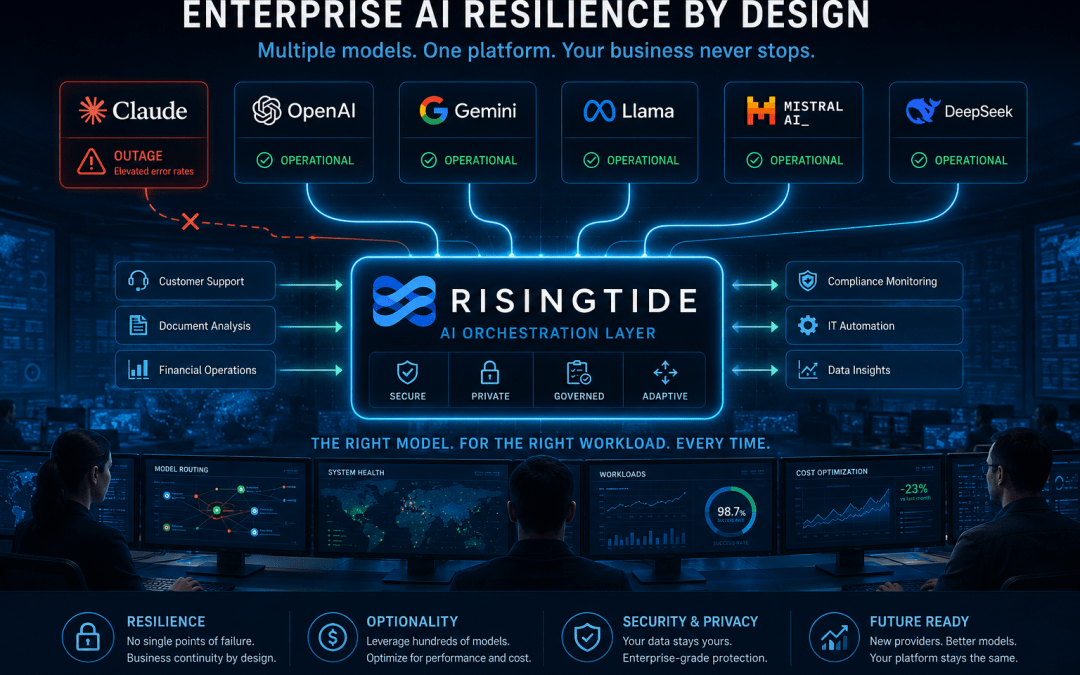
Over time it is quite likely that you are going to have multiple models of AI utilized throughout a given task, workflow or transaction. The rise of agents and agentic platforms that string together multiple models in ways that accurately get the work done is driving to these multimodal outcomes. Having a standard predictive model forecast Doritos demand makes sense, but so does having a generative model process that output to drive an order to a supplier.
Ramakrishnan emphasizes this point and points out that the smartest companies aren’t picking sides—they’re combining GenAI, deep learning, and traditional machine learning to solve the right problems with the right tools. For energy and convenience retail leaders, applying this kind of framework might just unlock faster insights, leaner operations, and smarter customer engagement.
Read the full article on MIT Sloan Management Review for a deeper dive.